Google DeepMind Grounds AI Simulation in Reality with Street View Integration

Google DeepMind has unveiled a significant advancement in generative AI, fusing its advanced world modeling system, Project Genie, with vast datasets derived from Google Street View. This integration allows the artificial intelligence to build highly detailed, navigable digital replicas of actual urban environments. The development represents a major leap toward grounding sophisticated AI simulations in verifiable, real-world spatial data, opening new frontiers for technology deployment.
The core function of this breakthrough is to transform a purely theoretical simulation engine into one capable of handling the complexities of genuine human infrastructure. By mapping the geometric and visual data captured by Street View, the system gains the necessary context to generate realistic physics and object interactions. This capability means that the resulting digital worlds are not merely stylized backdrops, but accurate representations of streets, buildings, and pathways that can be dynamically altered.
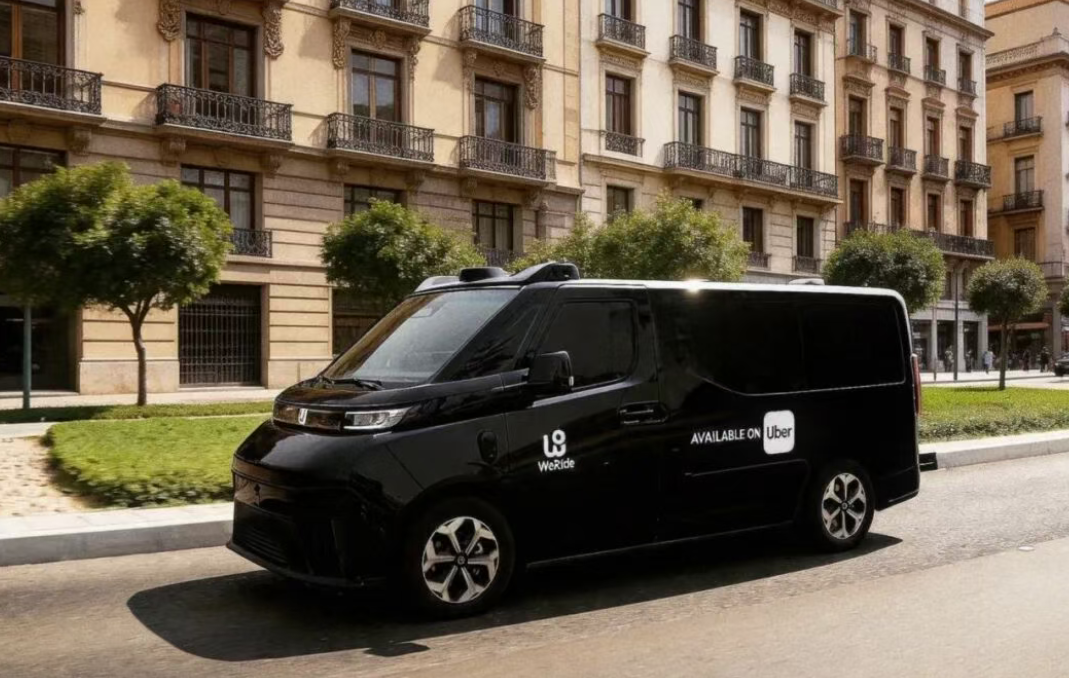
For the industrial sector, the implications are particularly profound for robotics and autonomous vehicle training. Previously, training robots in diverse and unpredictable scenarios required expensive, limited physical testing environments. Now, developers can utilize the system to subject AI agents to millions of simulated miles of varied street conditions—from minor debris to sudden shifts in pedestrian density. Furthermore, the model’s ability to incorporate variable weather patterns allows engineers to test vehicle performance under adverse conditions, such as heavy rain or fog, without real-world risk.
Beyond industrial applications, the technology holds immense potential for consumer-facing products. In the realm of entertainment, developers can create deeply interactive gaming experiences that feel genuinely lived-in, far surpassing current procedural generation methods. For travel and education, the system enables users to conduct virtual field trips, experiencing hypothetical scenarios—such as the impact of a new bridge or a localized climate change—within a highly convincing digital twin of a real locale.
This fusion of massive geospatial data with cutting-edge world modeling marks a pivotal moment in the development of embodied AI. By simulating the nuances of the physical world, Google DeepMind is effectively providing a scalable, accessible sandbox for the next generation of intelligent systems.
Related Articles

Source : TechCrunch
This article is AI-generated. The information presented may not be exhaustive or up to date.