Chinese EV Cycle Sets Global Pace for Automotive Innovation
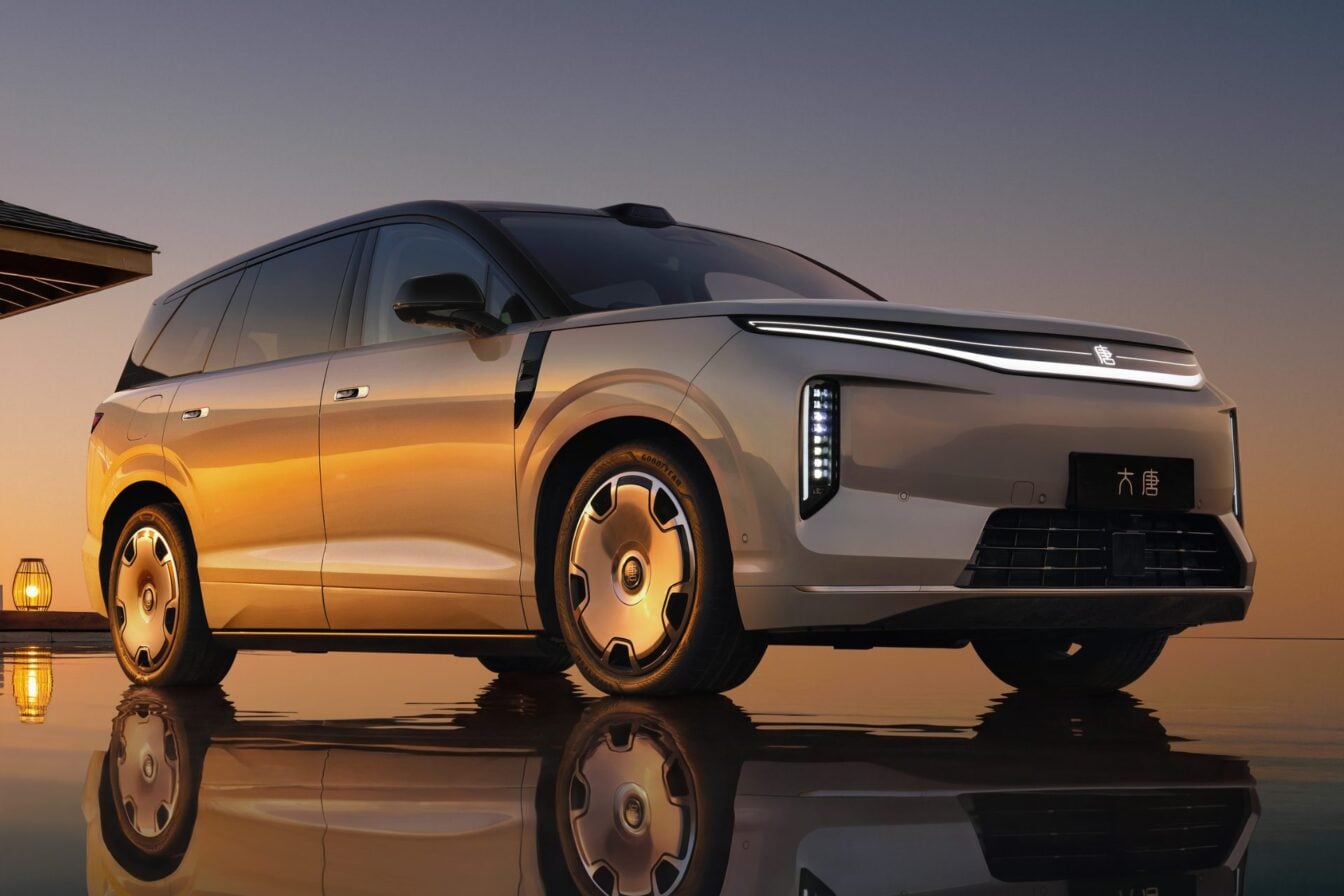
The electric vehicle sector in China is demonstrating an unprecedented pace of technological evolution, forcing the global auto industry to re-evaluate its traditional product lifecycle models. Industry reports suggest that the average age of an electric car circulating on Chinese roads has plummeted, reflecting continuous and rapid model refreshment by local manufacturers. This accelerated beat cycle signals a major shift in consumer expectations regarding automotive technology.
The speed of change is attributed primarily to intense market rivalry among domestic brands. These manufacturers are not merely improving existing models; they are launching fundamentally new architectures and integrating cutting-edge features at breakneck speeds. This hyper-competitive environment mandates that product lines must undergo substantial updates within very short timeframes, drastically shortening the period between a vehicle's launch and its perceived technological obsolescence. The operational rhythm of these Chinese automakers mirrors the rapid iterative cycles seen in consumer electronics industries worldwide.
This intense focus on continuous improvement has profound implications for component suppliers and software developers globally. The market demand is pushing advancements not only in battery energy density but also in advanced cockpit technology, over-the-air (OTA) update capabilities, and sophisticated driver assistance systems. Automakers are adopting a software-defined vehicle philosophy that allows hardware platforms to remain relevant while digital features are continuously upgraded, effectively redefining what constitutes "new" for an automobile owner.
For established global automakers, the Chinese market dynamic presents both a challenge and a critical blueprint for future development. It pressures multinational corporations to accelerate their own research expenditures and streamline their product deployment timelines. The sheer volume of innovation emerging from China suggests that technological parity is being achieved rapidly across multiple vectors—from charging infrastructure compatibility to high-level autonomous functionality—setting a new, significantly higher baseline standard for the entire global automotive industry.
As more international players attempt to enter or compete within this highly dynamic ecosystem, monitoring Chinese manufacturers' product refresh cadence remains essential reading for investors and tech strategists alike, signaling where future vehicle technology will head next.
Related Articles



Source : 01net
This article is AI-generated. The information presented may not be exhaustive or up to date.