Dark Paint Jobs Cost More? Examining the Science of Vehicle Color Heat Absorption
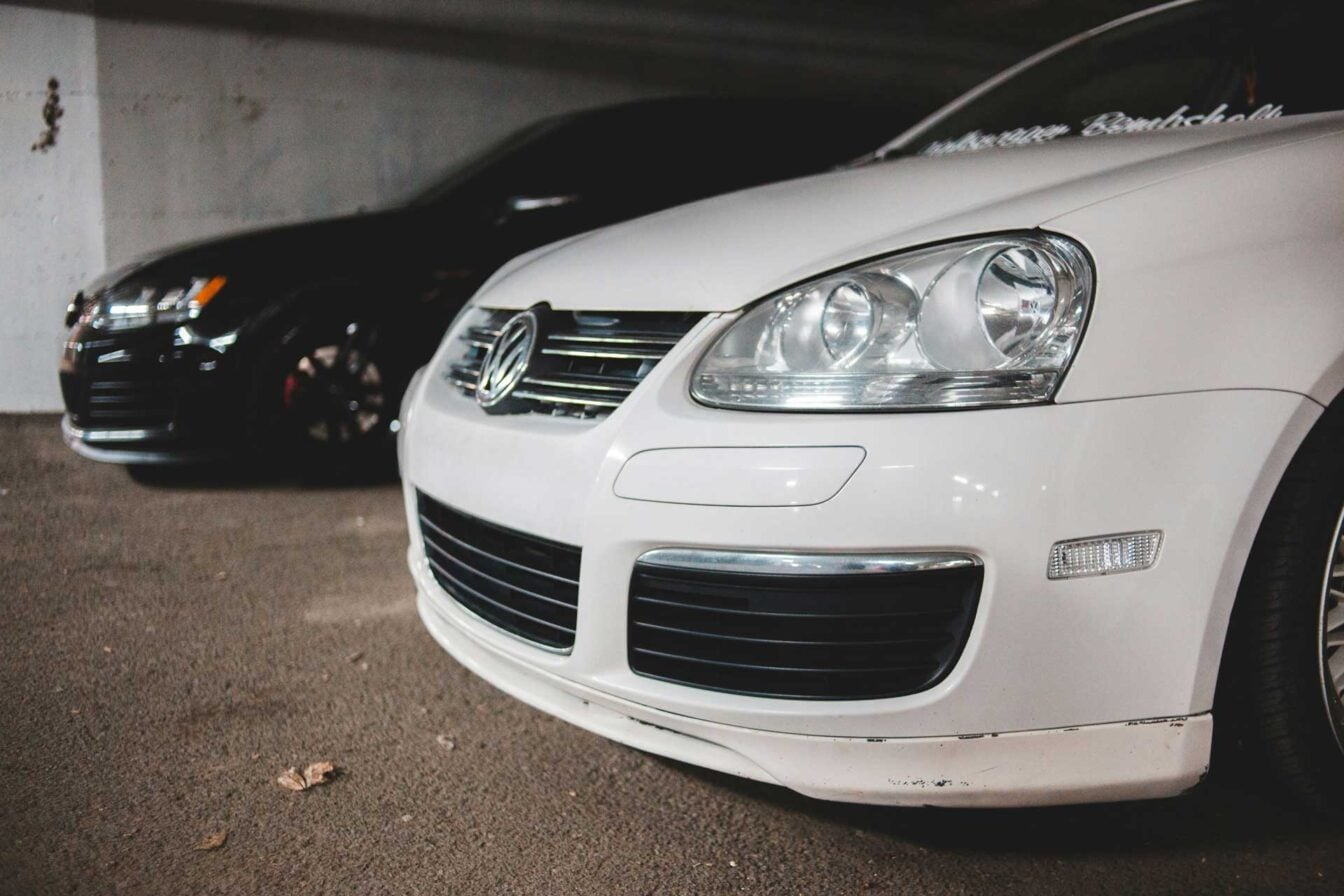
The debate over whether dark automotive colors lead to disproportionately high ownership costs has sparked viral discussions online. While some social media posts claim that black vehicles incur higher operating expenses during hot weather, scientific evidence and practical testing suggest a more nuanced reality for vehicle owners. This phenomenon centers on how different paint finishes interact with solar radiation and cabin temperature management.
Physically, dark surfaces absorb significantly more visible light spectrum energy than lighter hues. When a car painted in deep tones is exposed to intense sunlight, the asphaltic material absorbs this radiant heat, causing the body panels and interior components to rise in temperature. Conversely, pale or metallic finishes reflect much of this solar energy back into the atmosphere. This basic principle explains why cabin temperatures can feel markedly higher inside dark-colored vehicles parked under direct midday sun compared to their light counterparts.
However, translating absorbed heat directly into quantifiable increases in operational costs requires caution. While high internal temperatures necessitate increased use of air conditioning—a system that draws significant electrical power and thus impacts fuel consumption—the overall cost differential is rarely solely attributable to the exterior paint color. Factors such as vehicle insulation quality, tire pressure maintenance, and mechanical efficiency often play a more dominant role in determining long-term running costs than the shade of the car’s finish.
Furthermore, industry experts advise skepticism regarding generalized viral claims that attempt to assign definitive financial penalties based on color alone. The primary concern surrounding dark cars is not necessarily increased fuel consumption, but rather the cumulative effect of heat stress on materials and paint integrity over time. Owners should prioritize investing in quality window tinting or reflective coatings and ensuring vehicle maintenance is up-to-date to mitigate environmental stresses regardless of the car's original color. Ultimately, effective energy management within the vehicle remains the most critical factor for reducing summer operating expenses.
Related Articles

/https://tf-cmsv2-smithsonianmag-media.s3.amazonaws.com/filer_public/f8/ef/f8ef2bbf-1984-46d7-9fba-cb9324c82871/3917.jpg)

Source : 01net
This article is AI-generated. The information presented may not be exhaustive or up to date.