Utah’s Mega Data Center Sparks Controversy Amid AI Race

The potential construction of a massive artificial intelligence infrastructure facility in Utah is generating significant debate among environmentalists and local residents. Commissioners in Box Elder County recently approved the Stratos Project, a vast undertaking designed to house cutting-edge computing capabilities. This colossal venture is intended to solidify the United States' leadership in advanced artificial intelligence technology.
The approved site spans an enormous area within the county, representing one of the largest planned technological hubs in the region. Proponents argue that the facility is critical to maintaining the nation’s competitive edge in the global race for AI dominance. The project is framed as a vital piece of economic development, promising to attract high-tech industries and jobs to the area. According to the approval documents, the scale of the operation requires unprecedented resource allocation and industrial integration.
However, the immense size and scope of the development have triggered considerable opposition. Critics are voicing serious concerns regarding the environmental impact of such a large-scale industrial complex. Key worries center on the facility’s enormous demand for energy and water resources, which could place severe strain on local ecosystems and existing utilities. Community members are also raising alarms about potential disruptions to local wildlife and the character of the valley.
The debate highlights a growing tension between national strategic technological goals and localized environmental preservation efforts. While the project is touted as essential for future economic growth and national security in the AI sector, its critics argue that the long-term costs—both ecological and social—may outweigh the perceived benefits. Stakeholders are now focused on balancing the imperative for advanced computational power with the need for sustainable development practices.
As the Stratos Project moves toward the implementation phase, the conversation surrounding AI infrastructure is shifting toward mandatory impact assessments. The controversy underscores a broader industry challenge: how to power the next generation of artificial intelligence without compromising natural resources or local communities. The outcome of this conflict could set a critical precedent for future large-scale tech deployments across the country.
Related Articles

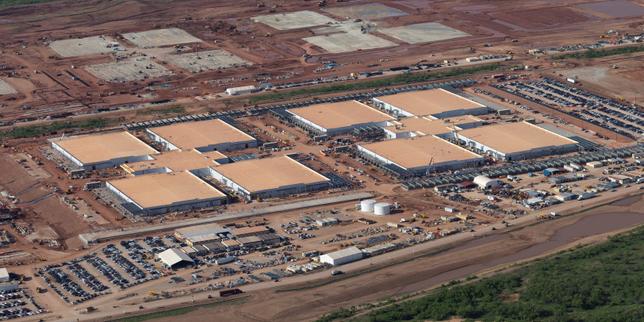

Source : The Verge
This article is AI-generated. The information presented may not be exhaustive or up to date.