Geopolitical Instability Threatens Global Supply Chains of Critical Industrial Metals
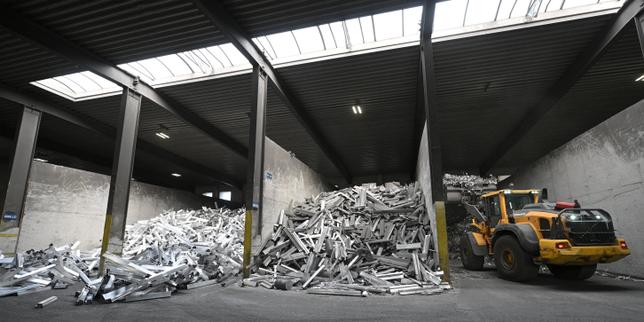
Wartime tensions and energy market volatility emanating from the Middle East are creating significant upward pressure on the cost and availability of essential raw materials. Industrial analysts are increasingly warning that the disruption to global energy flows poses a tangible, long-term threat of scarcity for key metals vital to modern manufacturing. The primary concern centers on the immediate vulnerability of aluminum and the potential future shortages affecting copper, metals that underpin several global economic pillars.
The correlation between energy prices and the viability of metal production is particularly acute for aluminum. Since the refining and smelting process for aluminum is extremely energy-intensive, any sustained increase in the cost of natural gas or oil translates directly into higher operational expenses for producers worldwide. Experts suggest that the current instability in global energy supply routes could rapidly erode profit margins for manufacturers, leading to production slowdowns and potential shortages across multiple markets.
Beyond aluminum, the market for copper is drawing increased scrutiny. This metal, crucial for electrification and infrastructure development, is facing mounting pressure due to the same geopolitical headwinds affecting energy sources. The resulting instability raises concerns that major industrial sectors—including the automotive industry, aerospace manufacturing, and large-scale construction—could face crippling delays and increased material costs. These sectors rely heavily on a consistent, affordable supply of these foundational metals to meet global demand for greener and more complex technologies.
Consequently, global industry players are being forced to reassess their supply chain resilience and explore alternative sourcing strategies. The looming risk is not merely price fluctuation, but a systemic bottleneck in the supply of materials necessary for building modern infrastructure. Companies are reportedly focusing on circular economy models and optimizing material usage to mitigate the impact of these looming resource constraints.
To stabilize global growth and maintain industrial output, industry leaders must urgently develop diversified sourcing strategies and invest heavily in energy-efficient refining technologies.
Related Articles



Source : Le Monde Tech
This article is AI-generated. The information presented may not be exhaustive or up to date.