Smart Glasses Privacy Risk Escalates: Covert Recording Concerns Mount Globally
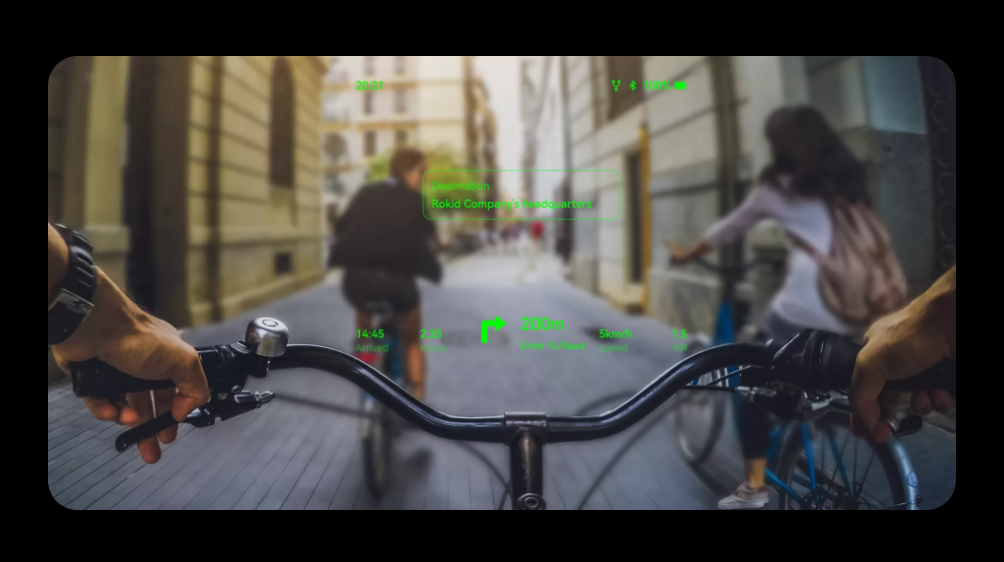
The proliferation of smart eyewear, once viewed as futuristic gadgets, has quickly introduced significant privacy vulnerabilities into public life. These seemingly benign pieces of technology can be transformed into highly effective clandestine recording devices, presenting a rapidly growing threat that transcends the boundaries of typical consumer electronics risk assessment. As sophisticated AI features become integrated into these lightweight frames, concerns are mounting among legal and tech experts alike regarding their potential for unauthorized surveillance.
The inherent danger lies in the accessibility and adaptability of the hardware. Experts have highlighted that converting advanced smart glasses into covert recording tools requires minimal modifications or specialized equipment. Simple, inexpensive accessories can be affixed to standard models, enabling high-quality visual capture without raising suspicion from the wearer or those observing them. This low barrier to entry means that the threat is not limited to state actors but could be wielded by virtually any individual with basic technical knowledge and access to fashionable eyewear.
The rapid market integration of these devices in Asian technology hubs, particularly China, has accelerated global awareness of this dilemma. The swift adoption rates mean that legal frameworks are struggling to keep pace with technological capability. This acceleration forces both manufacturers and governing bodies to confront difficult questions regarding design ethics—specifically, how to ensure consumer-facing wearables cannot be easily repurposed for illegal or non-consensual recording activities in public spaces.
Furthermore, the implications extend far beyond mere visual capture. The use of smart glasses for unauthorized documentation raises complex issues related to consent, professional boundaries, and personal autonomy. When a device designed for augmented reality can instead function as an unnoticeable surveillance unit, it undermines trust in shared physical environments. Industry leaders are now calling for mandatory ethical guidelines that govern the functionality and deployment methods of AI-powered wearables before they become ubiquitous.
Ultimately, addressing the potential for smart glasses to facilitate covert recording requires a multi-pronged approach involving stricter international design standards, enhanced consumer education regarding privacy settings, and proactive legislative updates. The industry must demonstrate accountability by building safeguards directly into the hardware architecture, ensuring that convenience does not come at the irreversible expense of personal freedom.
Related Articles



Source : Technode.com
This article is AI-generated. The information presented may not be exhaustive or up to date.