EFF Cyberlaw Trivia Highlights Complex Policy Challenges in Digital Age
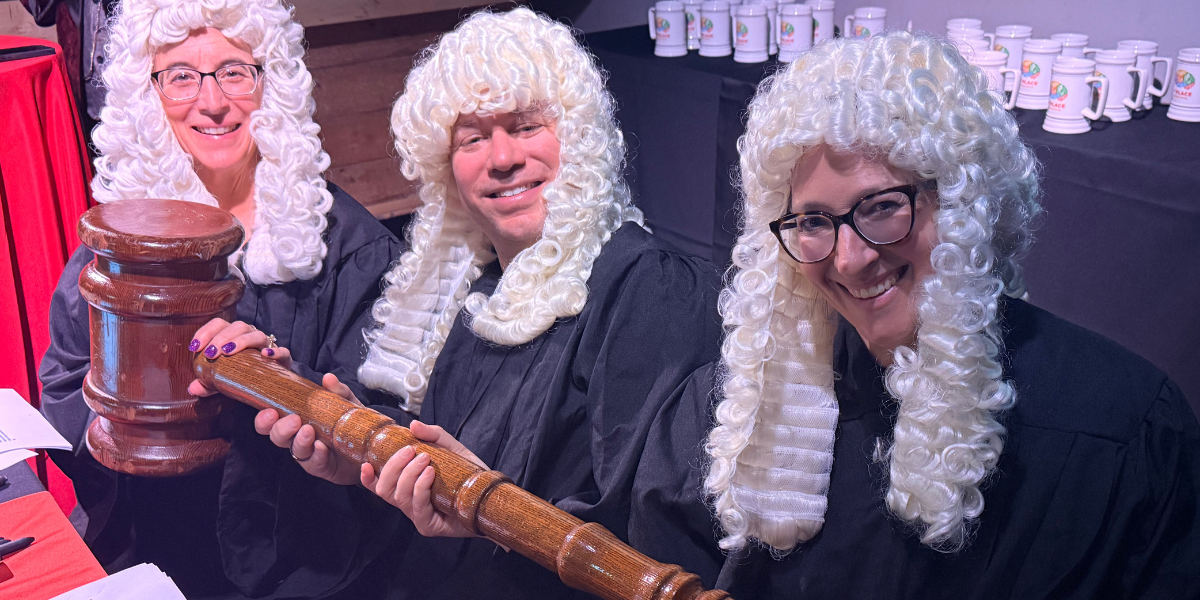
During a recent gathering in San Francisco, legal scholars and technology advocates convened for the 18th annual Cyberlaw Trivia Night hosted by the Electronic Frontier Foundation (EFF). The event served as an intensive test of knowledge across rapidly evolving areas of digital law, demonstrating the depth of expertise required to navigate modern internet policy.
The curriculum spanned a wide array of contentious topics, ranging from foundational concepts like free speech and intellectual property protections to highly technical issues such as geofence warrants and data privacy protocols. Competitors were challenged on obscure details concerning Section 230, the specifics of international internet shutdowns (like SOPA/PIPA), and contemporary challenges in AI copyright disputes. The event underscored that current legal frameworks are continuously playing catch-up with technological advancement, necessitating deep understanding from practitioners.
The caliber of the day was reflected by the judging panel itself, featuring established leaders in tech law. Judges included Cindy Cohn, the outgoing EFF Executive Director, alongside Nicole Ozer, who recently assumed the role of Executive Director. They were joined by Mike Masnick, a noted digital rights advocate and award recipient from the foundation. The competitive environment saw several dedicated teams vie for victory, tackling challenging rounds that covered everything from recent defamation cases involving public figures to detailed analyses of server testing protocols in law enforcement contexts.
The final rounds pushed participants into the current policy landscape with a unique segment titled "You Can Call Me AI." This round required teams to estimate data points related to government scrutiny of major tech players. Specifically, competitors were asked to project how many government information requests OpenAI received during the first half of 2025, given that Google had reportedly accrued over 287,000 such requests in the same timeframe. The day’s intense intellectual battle culminated when an unprecedented three teams tied for first place, sending the contest into a final tiebreaker round based on this highly specific industry metric.
The event successfully showcased how interconnected legal theory and real-world data points are within tech policy. While the technical details of the competition—such as one team’s elaborate performance during a discussion about digital rights enforcement—added entertainment value, the core takeaway for attendees was the sheer volume of regulatory complexity facing both companies and citizens. Navigating this confluence of law, technology, and governance remains the defining professional challenge for legal minds globally.
Related Articles



Source : EFF Deeplinks
This article is AI-generated. The information presented may not be exhaustive or up to date.